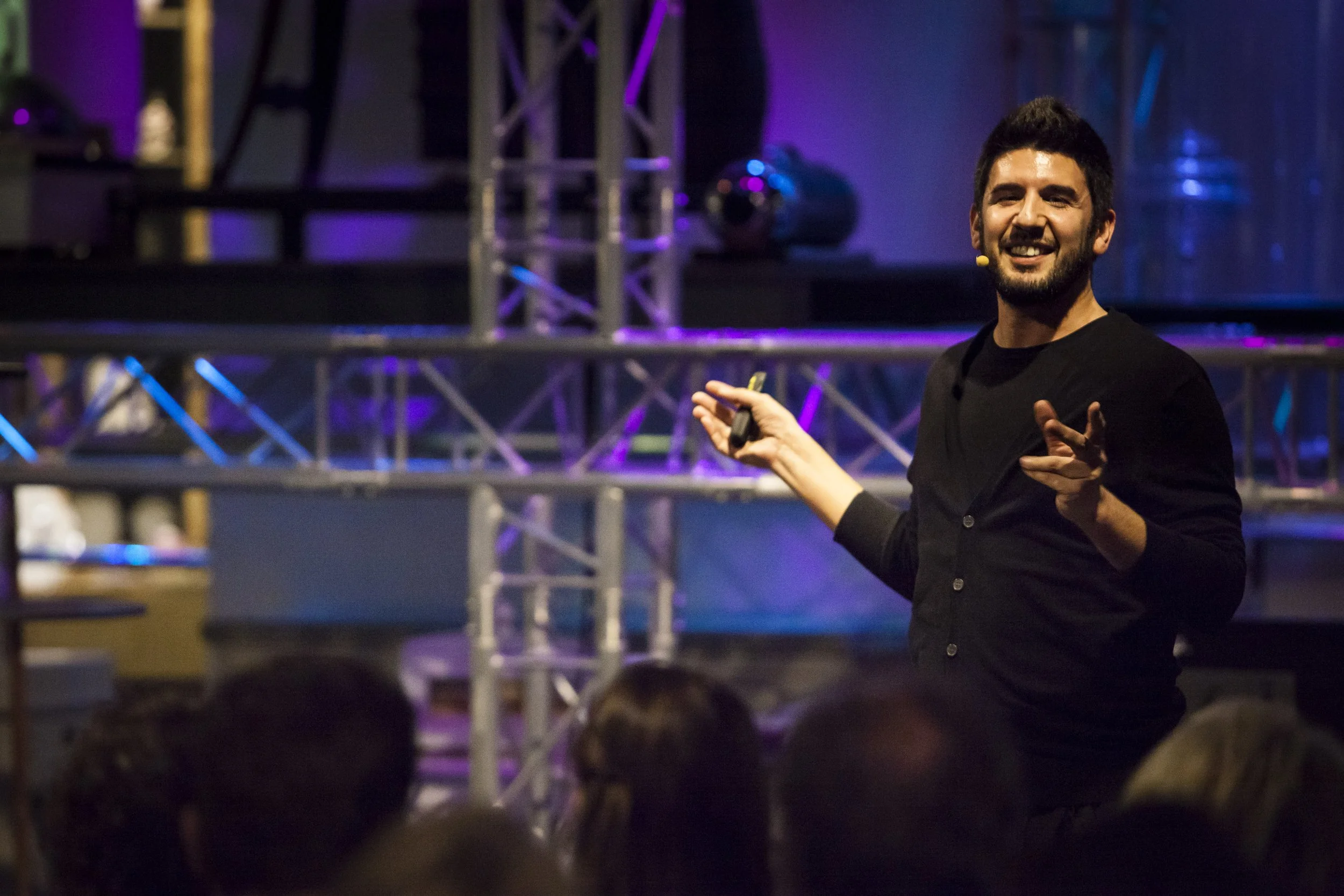
Cultural Systems Architect
Designing the governance structures for a digital society.
I operate at the intersection of culture, technology, and strategy. As a Director and Board Member, I do not merely oversee projects; I engineer the systems that allow cultural organisations to thrive in a post-digital reality.
My approach is built on the conviction that Digital = Governance. In an era where algorithms curate our reality and data defines our funding, the technical infrastructure of a cultural institution is as political as its artistic programme.
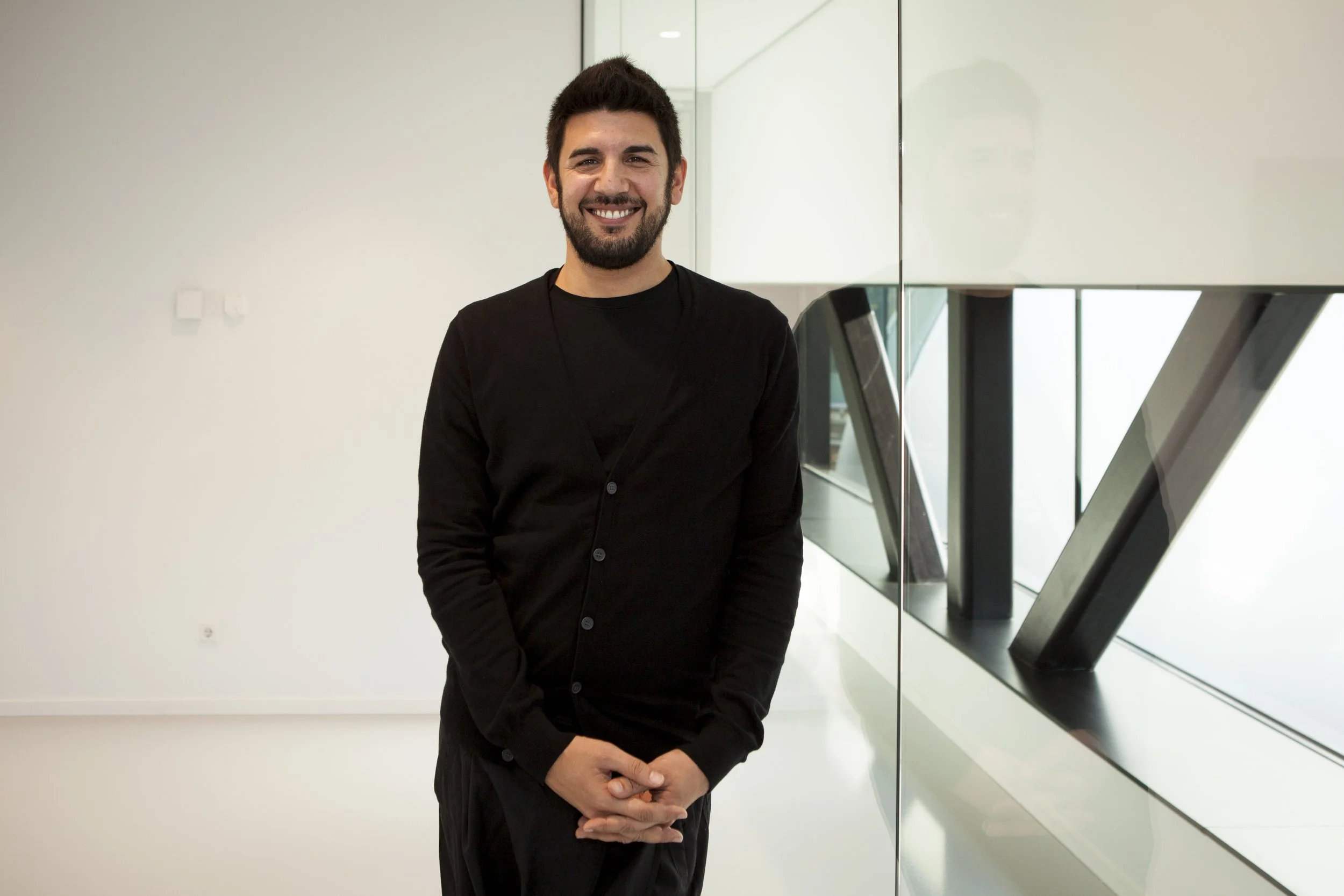
Currently, I serve as Director at Emoves and Shareholder at Meneer Rick, focusing on the "Full Stack Culture" of the Brainport region. My governance portfolio includes serving on the Raad van Toezicht (Supervisory Board) at Het Cultuurfonds, ensuring that cultural strategy is supported by robust oversight. My work transforms initiatives from temporary projects into structural perspectives, ensuring that the creative ecosystem is not just a playground for innovation, but a sustainable infrastructure for professional growth.
My current work
The Foundation
From Responsive Environments to Systemic Governance.
My trajectory is defined by a pursuit of systems that did not yet exist. I originally migrated from Portugal to the Netherlands to conduct PhD research at TU Eindhoven, specifically because the field of Responsive Environments was virtually unknown in my home country at the time. That early commitment to seeking out the frontier of technological culture has defined every step since.
Research as Practice
This academic rigor became the licence for my strategic work. As a Founding en Leading Lector in the knowledge centre Creative Economy (Fontys Hogeschool), I led the Our Brave New World research series. We treated major festivals like STRP and IMPAKT not as mere events, but as living laboratories ("Festivals as Labs"). Here, we tested the friction between society and technology, exploring "Speculative Interfaces" and the ethics of automation when the industry still viewed these concepts as science fiction.
The Early Centaurs
Long before AI became a ubiquitous tool, I was investigating the "Journalist-Machine Centaur"—the symbiotic relationship between human creativity and algorithmic efficiency. My research into Automated Journalism produced practical prototypes like 'PASS' (football reporting) and 'Charlotte' (interview bot). These were not attempts to replace human labour, but to augment it—freeing professionals for deep investigative work.
Marketing as Design
In collaboration with Eveline van Zeeland (Marketing Design, 2019), I established that marketing is not merely analytical; it is a design task. We argued that 1+1=3: when you combine the analytical rigour of marketing with the problem-solving mindset of design, you create value that exceeds the sum of its parts.
"By bringing together people of different backgrounds, creativity and innovation become inclusive. That inclusion connects design with people and makes design a societal matter."
The Architect’s view:
Since working with Responsive Environments in 2005, my career has been a continuous study of how spaces—physical, digital, and organisational—respond to human behaviour. Today, I apply that architectural thinking to the cultural sector itself. Whether it is ensuring artist employability through a shift to "Perspective Logic" or designing the digital governance of a foundation, the goal remains the same: building systems that are robust, transparent, and inherently human.